

According to the recent study, around 66% of Australians were obese in 2022, while 13% of adults were suffering from severe obesity. Carrying excess weight for a long time can lead to increased risk of heart related problems, type 2 diabetes, mobility issues, hormonal imbalance, and even cause cancer. Luckily, people are now becoming more aware of good health.
Achieving a healthy, fit body is possible when you eat clean, work out regularly, and stay consistent with your routine. One of the best ways is to reduce your sugar intake. It not only helps you reduce weight but also boost your energy levels and supports a healthy living. Yet many people worry that cutting back will leave them feeling restricted or unsatisfied. The truth is that you can reduce the consumption of empty sugar without giving up flavour or enjoyment. Many dieticians in Melbourne and other parts of Australia recommend the following tips to help you cut down added sugar without feeling deprived.
1. IdentifyReal Enemies: Hidden sugars
Avoiding desserts, candy, or chocolates won’t be enough. Many products contain more sugar than any dessert as a hidden ingredient. This includes breakfast cereals, sauces, flavoured yoghurts, salad dressings, and even crackers can contain significant amounts. So, it is good to check ingredient lists and nutrition panels on the label to understand the sugar availability. Once you are aware, it becomes easier to find healthier alternatives. People with obesity should focus on eating right no matter it is breakfast cereals or protein bars. Check the label first to make an informed buying decision.
2. Replacesugary drinks With Healthier Options
Australia is known for its warm climate, and that’s why cold drinks and energy drinks are the favourite beverages among locals. Coffee is also the most popular beverage in Melbourne, Victoria. All these contain a high amount of sugar. So, make a smart move and replace them with sparkling water, herbal tea, or fruit infused water helps you stay hydrated without unnecessary sweetness. If you enjoy tea or coffee with sugar, gradually reduce the amount so your taste buds can adjust over time.
3. Eat whole and unprocessed Food
The list of whole foods is huge. This includes fruits, nuts, vegetables, seeds, whole grains and legumes. These are naturally low in added sugar. The best part is that they also contain essential vitamins, fibre and slow release carbohydrates that keep you fuller for longer.
4. Prepare Meals at Home
When you cook at home, you have complete control over your dish and the ingredients you use. You can reduce the amount of added sugars in the recipes or replace them with healthier options. Also, gut healing meal plans are often far healthier than packaged or takeaway foods. Over time, you will discover that fresh ingredients provide plenty of flavour without relying on sugar.
5. Mindful Eating Makes a Huge Difference
Be practical! It is quite difficult to remove sweet foods from the diet completely. It can sometimes lead to cravings and overeating. Instead, enjoy occasional treats and eat in moderation. You can also choose quality over quantity and savour every bite. This approach encourages balance, reduces guilt and helps you maintain long term healthy habits. Eating healthy food and staying fit is the new trend, and everyone in Australia should follow this to lead an active life.
Wrapping Up
These are some practical tips to help you reduce your sugar intake and eat clean and nutrition rich food without feeling low or deprived. With awareness, smart choices and a balanced approach, you can nourish your body while still satisfying your palate.
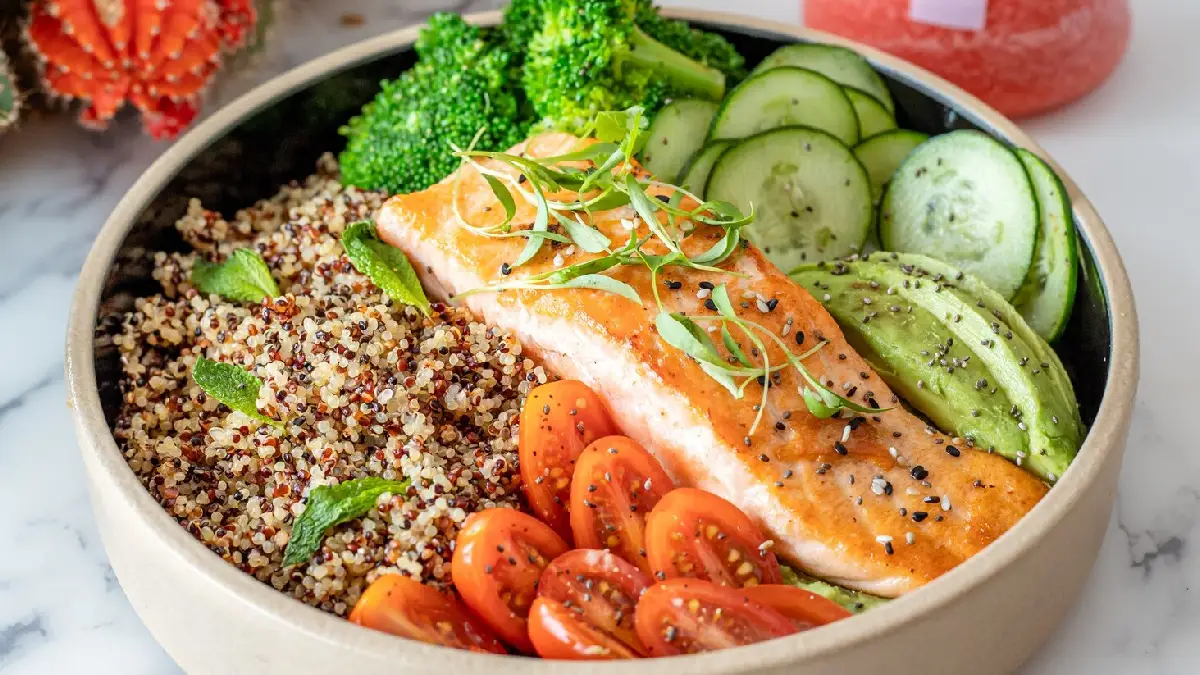
Gut health has recently become popular in the wellness industry. A healthy gut is essential not only for digestion, but also for mood regulation, immunological function, and overall energy levels. Bloating, fatigue, skin problems, and even brain fog can all be the result of poor gut health. Fortunately, eating right can help maintain and improve gut health. This week long gut healing meal plan is intended to gently reset your digestive system, leaving you feeling lighter, clearer, and more invigorated.
- Monday: Starting with Simplicity
Begin the week with foods that are gentle and simple to digest. A breakfast of coconut yoghurt with chia seeds, berries, and flaxseeds gives a good source of probiotics, fibre, and anti inflammatory fat. For lunch, try a grilled chicken salad with mixed greens, avocado, and fermented sauerkraut, drizzled with lemon juice and olive oil. Dinner can be baked salmon with steamed broccoli and sweet potato mash, which offers gut healing omega 3s and complex carbohydrates. A simple snack, such a boiled egg or a handful of almonds, contains protein and healthy fats.
- Tuesday: Fibre and Fermentation
This day is all about mixing prebiotic fibre with fermented meals to improve gut health. Start with almond milk overnight oats topped with kiwi and pumpkin seeds for a fiber rich breakfast that will nourish good gut bacteria. For lunch, a colourful quinoa bowl with roasted veggies, chickpeas, and tahini dressing provides plant based protein and variety. For dinner, try a warm vegetable soup made with bone broth, lentils, and herbs. Snacks like kimchi or kefir smoothies include living cultures that nourish the microbiota and aid digestion.
- Wednesday: Low Inflammatory, High Nutrient
Reducing inflammation is the key to gut repair. Start your day with scrambled eggs cooked in olive oil, accompanied with sautéed spinach and mushroom. A small yet fulfilling lunch of tuna and avocado lettuce wraps served with miso soup gives protein and fermented goodness. For dinner, a tofu stir fry with bok choy, ginger, garlic, and tamari contains anti inflammatory chemicals and gut friendly plant proteins. Snack on celery sticks with almond butter, a combination that’s easy on the gut but rich in nutrients and fibre.
- Thursday: Focus on Plant Based Diversity
Increasing the variety of plant items in your diet promotes a diverse gut microbiota. Begin with a green smoothie made with spinach, banana, cucumber, ginger, kefir and chia seeds. For lunch, try a substantial lentil and vegetable curry with brown rice. Dinner can include grilled eggplant drizzled with tahini, quinoa, and a fresh salad flavoured with apple cider vinegar. Snack on a couple squares of high quality dark chocolate and drink peppermint tea, to ease your digestive system. These meals offer plenty of fibre, prebiotics, and polyphenols; all of which benefit gut health naturally.
- Friday: Healing Comfort Foods
End the work week with warm, healthy meals that promote intestinal restoration. Begin with buckwheat porridge topped with cinnamon, stewed apples, and walnuts for a satisfying, fiber rich meal. Lunch may be poached chicken with pumpkin mash and sautéed greens, a light yet nutritious meal. For dinner, try cooked barramundi, with asparagus and a tiny baked potato. Coconut yoghurt with ground flaxseed is a simple, probiotic rich snack, that promotes digestive regularity and decreases inflammation.
- Saturday: Light and Nourishing
As the weekend begins, pick light meals that promote intestinal health. A green smoothie with cucumber, mint, pineapple, kefir and collagen powder, is both refreshing, and beneficial to the intestinal lining. Lunch can contain veggie sushi rolls with avocado, cucumber and pickled ginger, which are easy to digest and high in healthy plant chemicals. Dinner options include zucchini noodles with made at home tomato sauce and grilled prawns, which provide a healthy combination of protein and fibre. Snack on a handful of blueberries, or a boiled egg to stay energised without overwhelming your digestive system.
- Sunday: Reset and Reflect
Utilise Sunday as a day to reset and prepare for the week ahead. Begin with chia pudding made using almond milk, topped with mango and toasted coconut. Warm sweet potato and lentil soup, with turmeric and coriander can be served for lunch. For dinner, try grilled chicken with quinoa tabbouleh and beetroot dip, which is high in antioxidants and fibre. Snack on fermented pickles or a kefir smoothie to keep your gut bacteria healthy. This is also an excellent time for food planning, fermenting vegetables, and batch cooking broths.
Wrapping Up
Taking the effort to nourish your stomach does not mean doing a major overhaul, but rather a dedication to regularity and care. This week long diet provides a simple and delicious method to help your body’s natural healing process.